

What It Means to Be a Deacon
Author: Shirley Ding
Date: 01/26/2026
Category: A Life in Christ
Let’s rewind to the summer of 2019. After serving for 12 years in Children’s Ministry, I found myself seeking a new area of service. One of the elders suggested that I consider becoming the Youth Sunday School Coordinator. I immediately dismissed the idea—after all, I had no prior experience in Youth Ministry.
During those 12 years, eight were spent in Children’s Worship, where I began as a host and gradually stepped into the coordinator role. I knew firsthand the weight of that responsibility. Still, the elder’s suggestion planted a seed. I decided to sit in on one of the youth Sunday school classes—my daughter’s ninth-grade class.

That fall, I joined her class, which was combined with the eighth grade. Over 30 students were crammed into room 205. Most weren’t paying attention. Cellphone use wasn’t as widespread then, but distractions abounded—cartoon sketches, random scribbles, side conversations, even naps—anything but engagement with the lesson.
That image stayed with me throughout the quarter. It became increasingly clear that God was revealing my next mission field—one I could no longer ignore.
Fast-forward to today—six years into Student Ministry. I’ve had the privilege of serving alongside three ministers.
I worked with the first minister for only seven months, with half of that time being virtual. Surprisingly, our connection deepened after he stepped away from the role. Those two years marked my first experience in student ministry, offering a distinct perspective from my previous work with children. It broadened my understanding of the ministry landscape and shaped the way I approach leadership and discipleship moving forward.
The second minister and I spent two fruitful years reshaping the ministry together, until God called him to a greater purpose and a more significant role. During that season, we rebuilt the youth praise team, resumed baptisms, launched the college Sunday school, and revived winter retreats following the pandemic pause. Through it all, we witnessed God’s unwavering faithfulness. Not only did He keep His promises, but He provided abundantly, doubling and even tripling what we had prayed for.
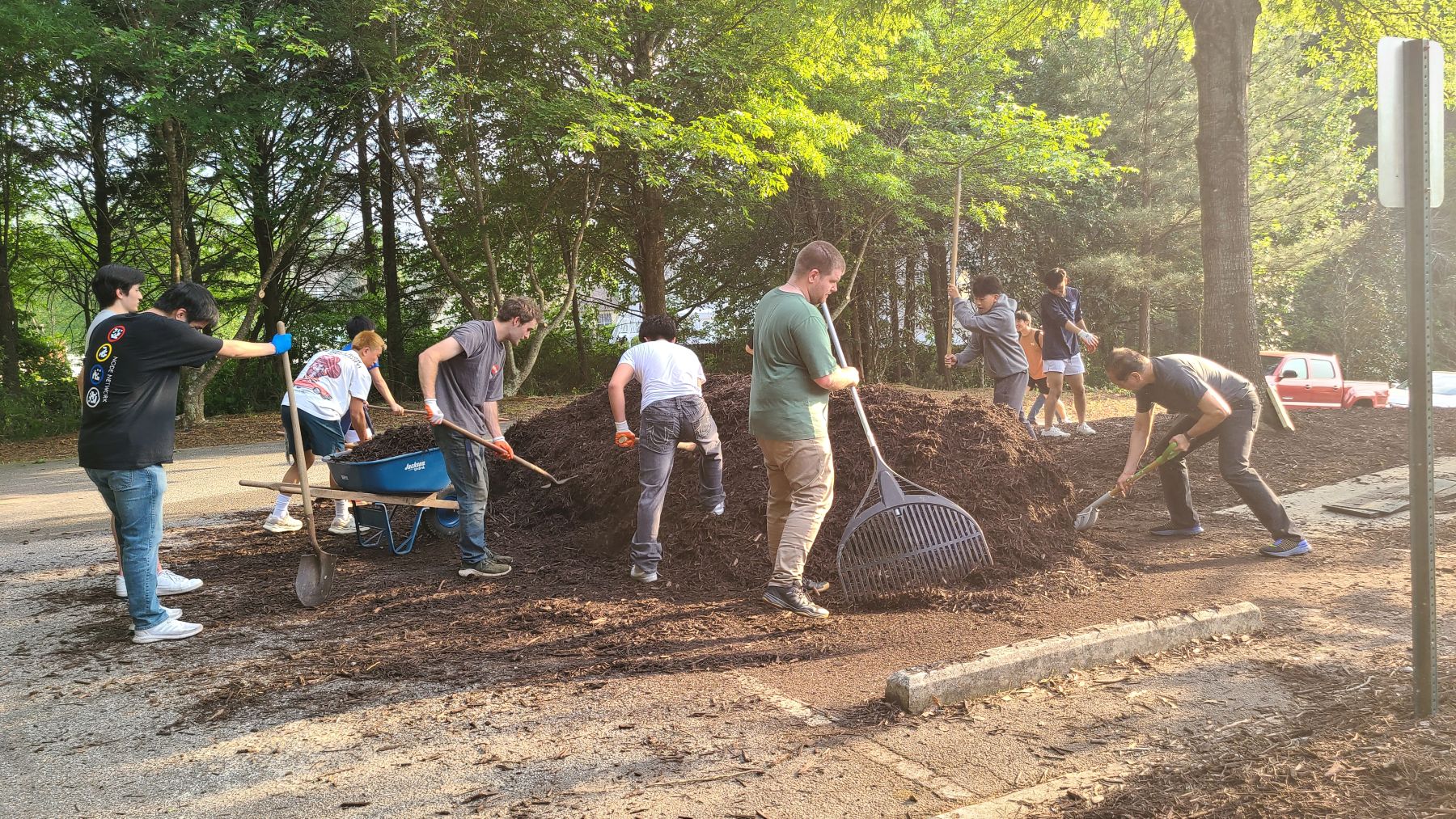

And now, with the third minister, we’ve relaunched the youth mission trip after six years of pause, started college fellowship, and implemented several initiatives to support the student population—which is growing both in number and spiritual depth. Slowly but surely, we’re faithfully charting a course toward the broader mission field God has prepared for our church.
In addition to serving alongside ministers, I’ve had the privilege of working under the leadership of three elders—two of whom have since completed their terms. Four years ago, together with three other deacons, I joined JBED and became part of the church leadership team. Throughout this journey, I’ve witnessed God at work through my fellow deacons and their faithful service. Allow me to share a personal reflection on what it means to serve as a deacon.
My deaconship began with a phone call from the JBED chair over four years ago. It caught me by surprise, despite a subtle hint from my predecessor. Along the way, one of the most counterintuitive lessons I learned came during deacon training. I had always thought of a deacon as someone who “serves tables,” as the Bible describes. But Acts 6 paints a fuller picture: deacons were entrusted with the responsibility to solve problems, heal divisions, and foster unity in Christ. Weren’t those supposed to be the roles of pastors and elders?
Let’s dive in.
How do we solve problems?
By becoming shock absorbers—those who absorb tension rather than amplify it. Our pastors and elders have modeled this beautifully.
I used to approach them with complaints or frustrations, convinced I held the truth. It wasn’t until I stood in their shoes, facing similar challenges, that I came to deeply appreciate their gentleness and patience. They are meek—but not weak. Meekness is strength under control, power humbly submitted to God’s authority. It gives us the compassion to listen quickly and the wisdom to be slow to anger. It helps us restrain the instinct to react from the flesh and instead respond in a way that reflects Christ.
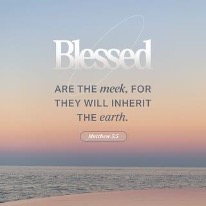
Unresolved problems, left unchecked, can quickly lead to division. But when we lead with meekness, we create space for healing, understanding, and unity. As Jesus promises, “Blessed are the meek, for they will inherit the earth.” (Matthew 5:5)
How do we heal divisions?
By being peacemakers—not merely peacekeepers. While many Asians tend to avoid conflict and maintain the status quo, often choosing to patch things up or sweep issues under the rug, these are only temporary fixes. Sooner or later, unresolved problems resurface.
That’s why Jesus calls us to be peacemakers: to take initiative and engage proactively. By God’s grace, we can humble ourselves, embody meekness, and speak the truth in love, with empathy and courage. When we serve as ambassadors of Christ and invite Him into the process of making peace, He can accomplish what no human effort can do and far more than we ever imagined. “Blessed are the peacemakers, for they will be called children of God.” (Matthew 5:9)

How do we foster unity in Christ?
By training the trainer and passing the baton.
“Passing the baton” was our church’s theme for two consecutive years. Yet those years marked the coldest winter in church’s 25-year history. Within twelve months, our senior pastor, English minister, and student minister all stepped down. Three elders departed, along with several leaders, and members of the congregation. It was no accident that God gave us this theme—and repeated it. We had dropped the baton.
A baton can’t be passed unless it’s first safeguarded. Before we can become baton passers, we must first be faithful baton carriers. In a relay race, each leg requires unique strength, yet all runners pursue the same goal.
Likewise, unity in Christ requires teamwork. Leaders must lead by example, and each person must contribute with the unique gifts God has entrusted to them. God invites us to participate in His redemptive plan—not only to accomplish tasks, but to be refined and shaped into His likeness. Through this process, we build fellowship, recognize one another’s gifts, and cultivate unity in Christ. The baton is passed, and a new cycle of growth and grace begins.
“How good and pleasant it is when God’s people live together in unity!” (Psalms 133:1)
Three and a half years ago, before Pastor Sion and I embarked on my very first senior trip, Pastor Chi told me, “You will remember this voyage forever.” He was right. We shared so many laughs and joyful moments with the Class of 2022 before they set sail into their college journeys.
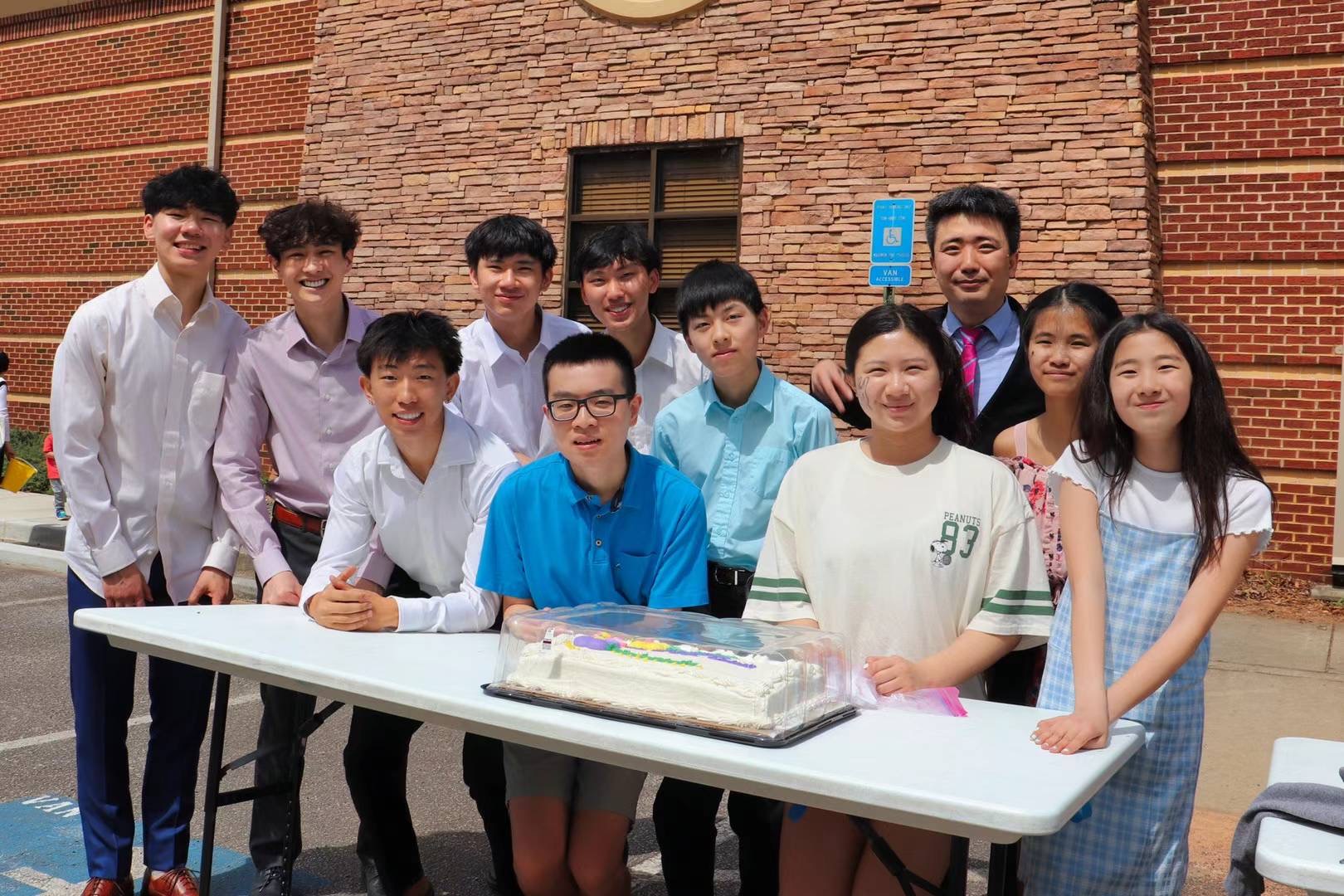
Now, three and a half years later—despite their busy college schedules—three have completed overseas mission trips. Since 2022, we’ve witnessed an average of twelve student baptisms each year. Remarkably, six of those baptized are college students—a first in our ministry history. All we did was plant a small seed. God is the one who made it sprout and grow.
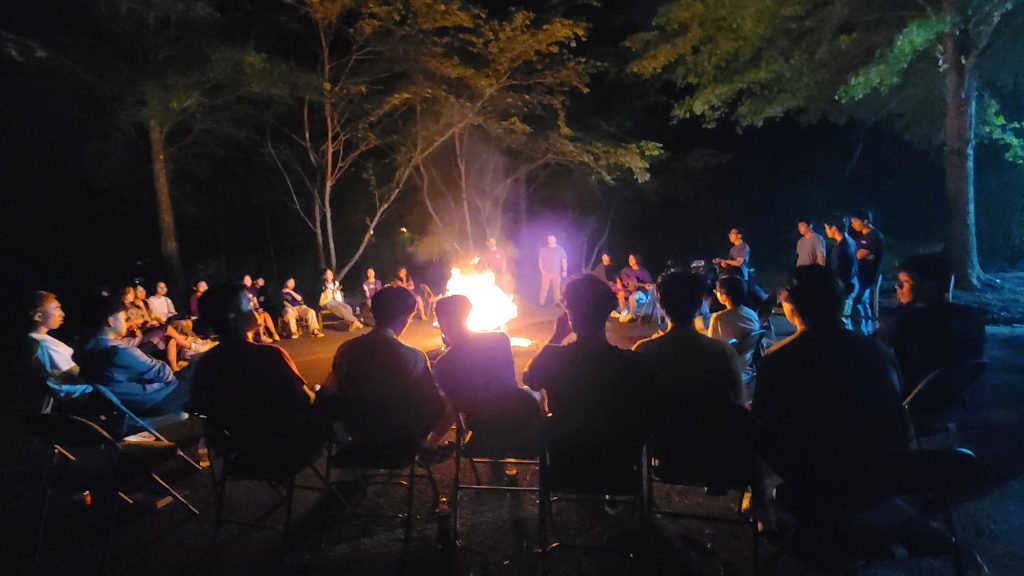
Looking back, the path to a successful ministry is not paved with ease—it’s marked by challenges and temptations. There were times I felt defeated and weary. But we must remember: we are in a spiritual battle. The enemy’s attacks come from every direction— even within our own team—against our families, our students, and our work.
Yet in every hardship, God not only led us—He carried us. If this is the season you’re walking through, lift your eyes to Jesus. Fix your gaze on the eternal reward, and press on with faith and perseverance. As our faith deepens, God expands our vision.
My vision is that when the family center is finished, it will be filled with people’s praises, giving glory to God! Amen!
Related Articles